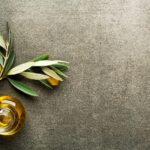
The quality of olive oil does not end on the day it is produced. On the contrary, from that moment on, an equally critical phase begins: proper storage. Olive oil is a living product and, like any high-quality natural food, it is directly affected by the environment in which it is kept.
Proper storage does not improve olive oil.
It allows it to preserve everything that makes it valuable.
Why Olive Oil Is a Sensitive Product
Olive oil is primarily composed of fatty acids and natural antioxidants. While beneficial, these elements are sensitive to three main factors:
Exposure to one or more of these factors gradually leads to oxidation, loss of aroma, and deterioration of taste.
Light: The Silent Enemy
Continuous exposure to light—natural or artificial—accelerates photo-oxidation. Aromas fade and the olive oil loses its fresh character.
For this reason:
- dark glass bottles or tin containers are preferred
- olive oil should not be stored near windows or strong lighting
Packaging is not just aesthetic. It is a matter of protection.
Heat and Its Impact
High temperatures accelerate chemical reactions in olive oil. As temperature increases, product stability decreases.
Ideal storage conditions include:
- a cool environment
- stable temperature
- avoiding storage near heat sources
The kitchen is not always the most suitable place.
Oxygen and the Importance of Sealing
Oxygen causes oxidation even in high-quality olive oil. Each time the container is opened, a slow but steady degradation process begins.
For this reason:
- containers should be properly sealed
- consumption should occur within a reasonable timeframe
- large containers require careful handling
Proper storage continues even after opening.
What Proper Storage Means for Professionals
For professionals, storage is not only about taste—it is about product consistency. Properly stored olive oil delivers predictable results, consistency, and reliability in both use and commercial application.
Quality does not disappear suddenly. It gradually declines when not protected.
Conclusion
Olive oil does not spoil easily, but it deteriorates easily when not stored properly.
Proper storage is a continuation of proper production and a key factor in preserving quality.
This knowledge is not only for consumers—it is essential for every professional who respects the product they offer.