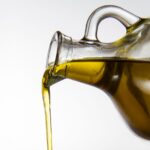
The term “Extra Virgin Olive Oil” is not a marketing label or just a statement on packaging. It is the highest quality classification an olive oil can carry, defined by strict standards, controls, and requirements.
Understanding what this term truly means is essential for both consumers and professionals.
The Legal and Quality Definition
For an olive oil to be classified as “extra virgin,” it must meet specific criteria defined by European Union regulations. Most importantly, the oil must:
- be produced exclusively by mechanical means
- undergo no chemical processing
- come from healthy olives
- have free acidity up to 0.8%
However, acidity alone is not enough to define quality.
Why Acidity Doesn’t Tell the Whole Story
Acidity is an important indicator—but not the only one. An olive oil may have low acidity and still present sensory defects.
True quality is assessed through a combination of:
- chemical analyses
- oxidation indicators
- organoleptic evaluation by a certified panel
Only when all these elements align can an olive oil truly be classified as extra virgin.
The Role of Organoleptic Evaluation
Organoleptic evaluation is essential. It αφορά the taste and aroma of the olive oil and determines whether defects such as rancidity, mustiness, or off-odors are present.
An extra virgin olive oil must exhibit:
- fruity aroma
- clean taste
- balanced bitterness and pungency
These characteristics are not a matter of preference—they are indicators of proper production.
What Lies Behind the Classification
The designation “extra virgin” is not случай. It is the result of:
- proper cultivation
- careful harvesting
- immediate and controlled extraction
- correct storage
- continuous quality control
Any failure at these stages directly affects the final quality and may prevent the product from achieving this classification.
Why It Matters for Consumers and Professionals
For consumers, extra virgin olive oil means superior taste, purity, and nutritional value.
For professionals, it means consistency, reliability, and predictable performance in the product they use or offer.
In demanding markets, this term is not just descriptive—it is a guarantee.
Conclusion
Extra virgin olive oil is not defined by a single number, but by an entire philosophy of production.
It is the result of правиль choices, expertise, and respect for the fruit—from the very beginning to the bottle.
Quality is not claimed. It is proven.